
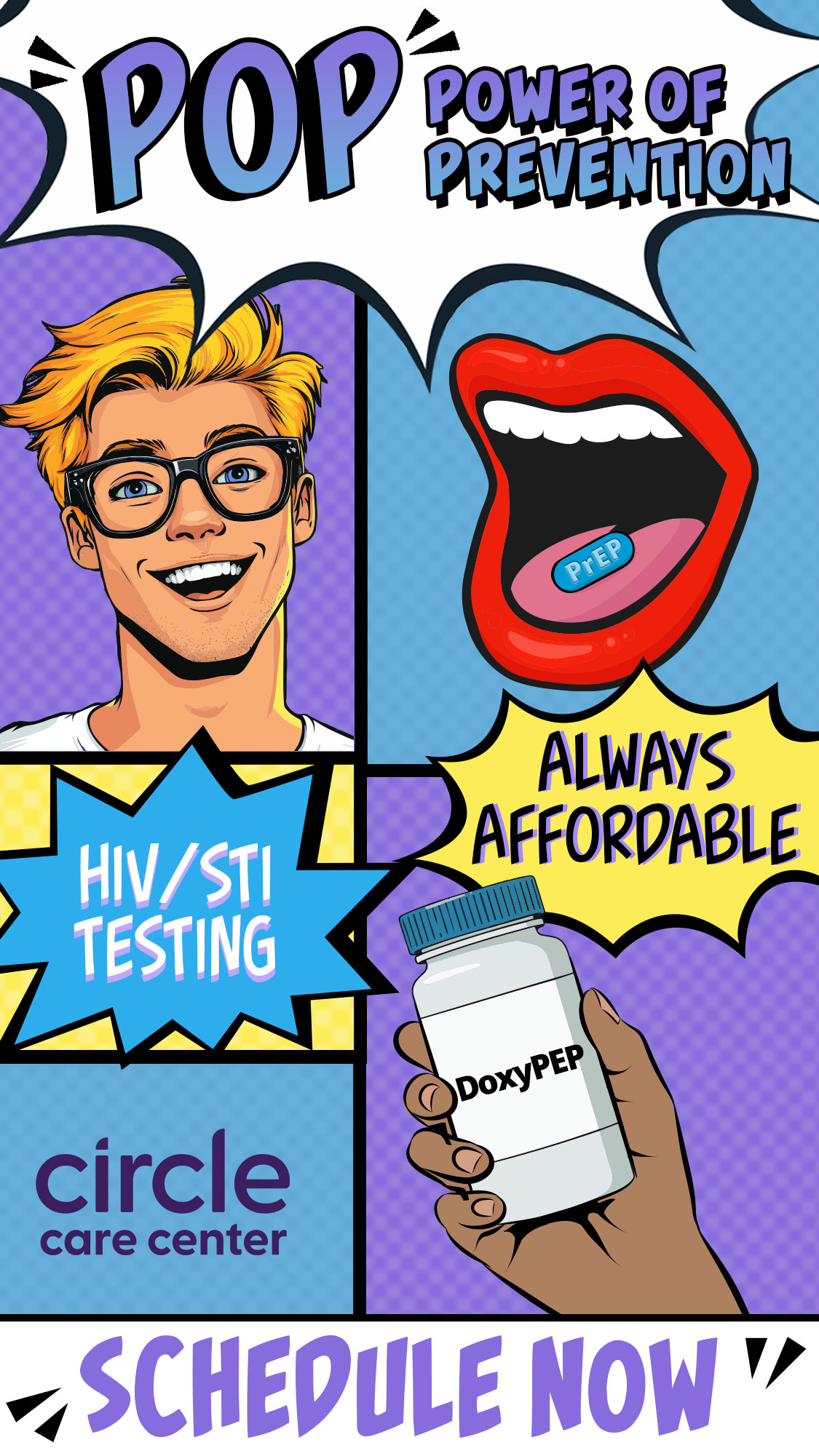
PrEP
PrEP stands for Pre-Exposure Prophylaxis.
PrEP is a course of drugs taken by an HIV-negative person to prevent an HIV infection.
It can virtually eliminate the risk of infection if taken consistently and correctly.
PrEP is a powerful HIV prevention tool and can be combined with condoms and other prevention methods to provide even greater protection as opposed to being used by itself. However, people who use PrEP must commit to taking the drug every day and seeing their health care provider for follow-up appointments every three months.
Are There Different Types of PrEP?
Since its introduction to the world over a decade ago, PrEP has only become better with each passing year. So much so that different versions have been introduced, from pills to injectables, to accommodate anyone’s lifestyle and preference.
PrEP FAQ
Is PrEP right for me?
If you are sexually active and HIV-negative, then yes! Being on PrEP will help give you peace of mind and will put you in control of your sexual health!
How do I take PrEP?
PrEP is available as a pill and an injectable. When speaking to your healthcare provider, we recommend asking about the benefits of both to decide which is right for you!
Is PrEP Safe?
While everyone can experience medications differently, PrEP has a strong track record of people experiencing little to no side effects and is extremely safe. Your healthcare provider will monitor you every step of the way and always be around to answer any questions you have.
DoxyPEP
DoxyPEP has been tried and tested, dating back to the 1960s! It has proven to be highly effective in preventing bacteria-related STIs such as chlamydia, syphilis, and gonorrhea! In addition to the medical benefits, DoxyPEP will help your anxiety around STDs decrease significantly!
HIV and STI Testing - Do I Need to Get Tested?
All Information is strictly confidential.
We offer testing for: Chlamydia, Gonorrhea, Syphilis, HIV and Herpes (only available when symptoms are present.) For persons meeting criteria or at risk, Hepatitis C screening test is also available.
We offer treatment for chlamydia, gonorrhea, syphilis, herpes, trichomoniasis and bacterial vaginosis.
CDC recommends that everyone between the ages of 13 and 64 get tested for HIV at least once in their lifetime. For people with certain risk factors, CDC recommends getting tested at least once a year. CDC recommends testing at least once a year for syphilis, chlamydia, and gonorrhea. Those who have multiple or anonymous partners should be tested more frequently (e.g., every 3 to 6 months).